Crop Undercover
Designer Devlog Postmortem - Crop Undercover
Crop Undercover Postmortem
Our final sprint of development has now come to an end and it is very exciting to look back on the progress we have made. Crop Undercover has undergone some significant changes from the original design and we have had many challenges to overcome as a team, but we have learned a lot and the excitement of seeing our game come to life has made it all worth it. There have been many ups and downs throughout this process, as well as many learning opportunities for us as a team. We had to learn how to pivot effectively, how to manage work and scope within a larger team(something new to all of us), and how to adapt our game depending on what we see works and what doesn't.
We have had to cut different features due to scope management or player experience, and we have added features that were not originally planned because of things we learned throughout development. It has been a great learning experience as a designer because it allowed me to see the intricacies of designing game systems and the extents that a designer must go to in order to properly prepare for every possible outcome.
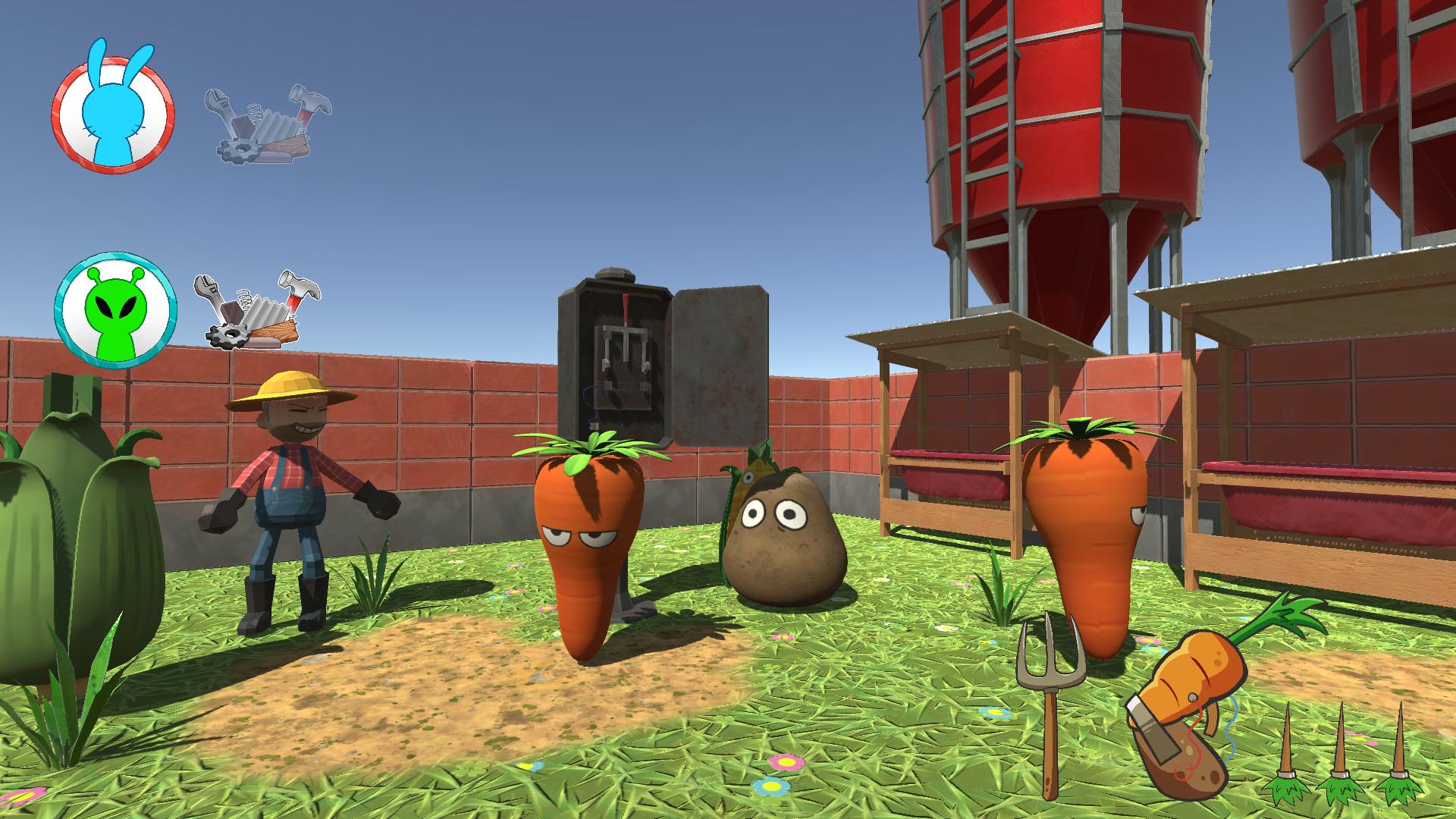
One of the main things that I learned in this process was how to effectively pivot ideas that need adjustment so that I can prioritize the player experience. My biggest design change with this in mind was with the addition of the touchpoint system. Originally, crop players were going to blend in with the crowd until a timer expired that allowed them escape the farm. This worked for gameplay, but I wanted something more compelling. When testing this concept in prototyping, I quickly realized that this game loop would not provide the players enough agency. Blending in with a crowd to avoid detection is fun, but as a core game loop, it needed more. Doing this over and over becomes monotonous and doesn't give the player enough control over their own fate. To counteract this problem, I came up with multiple solutions, but none were as effective as the generator touchpoints. Adding this feature to the game forced crop players into making decisions. In order to escape, they would need to make some risky plays. They could no longer just blend in with the crowd and waste time. Now, they needed to work together to move around the map to preselected areas that put them at higher risk. This forced crop players into making more of a plan and trying to strategize. This change was an immediate success. It gave players control over their own fate. If they were caught by the farmer now, it was because of a poor gameplay decision rather than bad luck from the farmer.
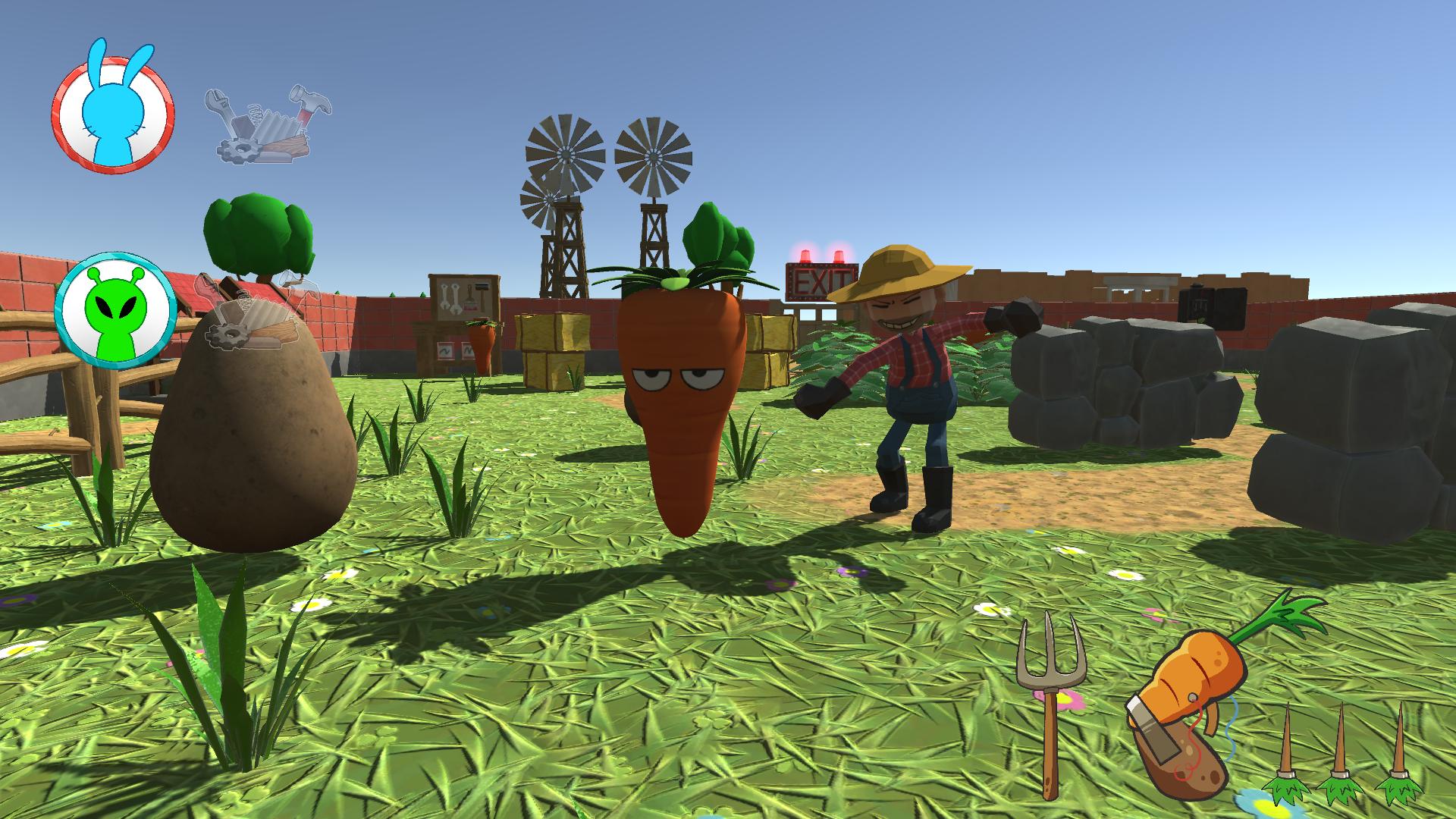
Another design change that was made revolved around the farmer harvester. In playtesting, I noticed that farmers would not have enough penalty for farming any crop that got in their way. This created a problem because the farmer did not need to plan which crops they wanted to harvest. They would simply walk around harvesting anything that was in front of them. This led to wipeouts of the AI crops and no real strategizing from the farmer. My solution to this design problem was to turn the farmers harvest tool into a limited resource. By giving the farmer only 3 harvests before they need to take time to repair their tool, I managed to force the farmer player into making wiser decisions throughout gameplay. Instead of harvesting anything and everything, the farmer now needed to plan which crops they wanted to harvest because as soon as they made 3 wrong choices, they would lose time needing to collect a piece of scrap and repair their tool at the workbench. During this wasted time, crop players can repair touchpoints without worrying about being harvested. All of the design decisions that made the greatest impact on gameplay revolved around giving more agency to the player, and forcing the player into making decisions rather than allowing gameplay to unfold.
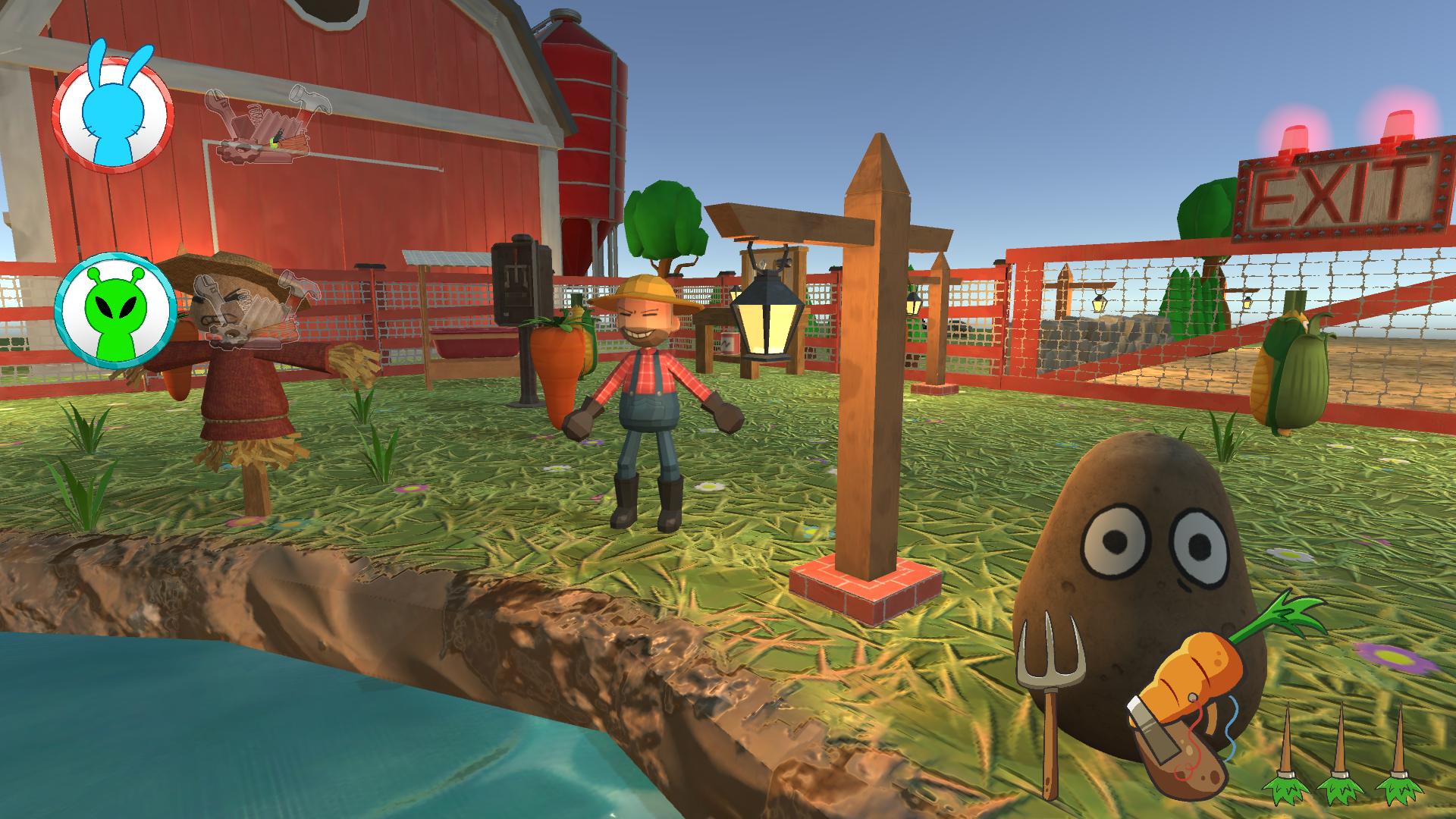
We did have a few things go wrong for us throughout this process, and we have learned a lot from these experiences. From issues in development to troubles within the team, we have faced many challenges that have helped us grow as developers. I learned about the hardships of working with a team and how impactful it can be when one person does less than another. We lost a programmer early on into development, which created a gap that needed to be filled in our team. If I were to do this again, one thing I would change about my process would be to be much more on top of situations like that as they occur. After we lost a programmer, their cards were not being moved in the Jira, which led to a waterfall of buildup on our other programmers, and gaps in our development that were unfilled. These kinds of issues seemed to stick with us throughout development. It was a learning experience for us because we didn't know how to approach this kind of issue. We let things stir a little too long and things got slightly out of hand with user story assignment. This compounded when we needed to make a producer change halfway through our process. Even with all of these problems, we managed to pick ourselves back up and get right back on track. I am very thankful for everyone on the team that worked through these issues and kept on moving. Without them, our production could have been halted and our game never would have reached the level it is at today.
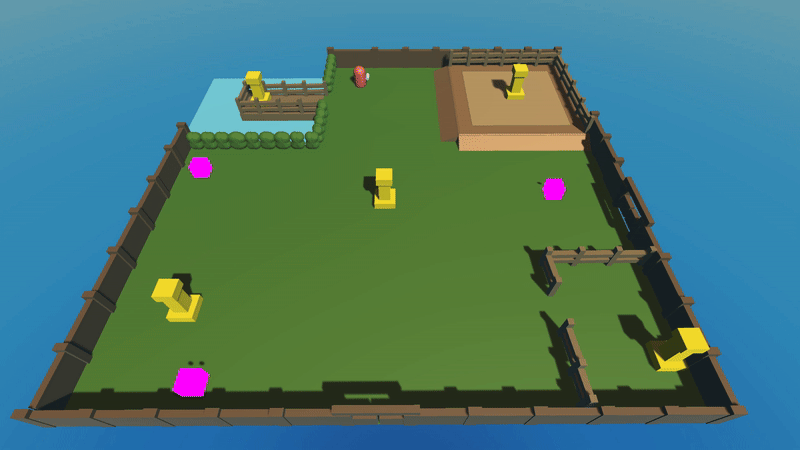
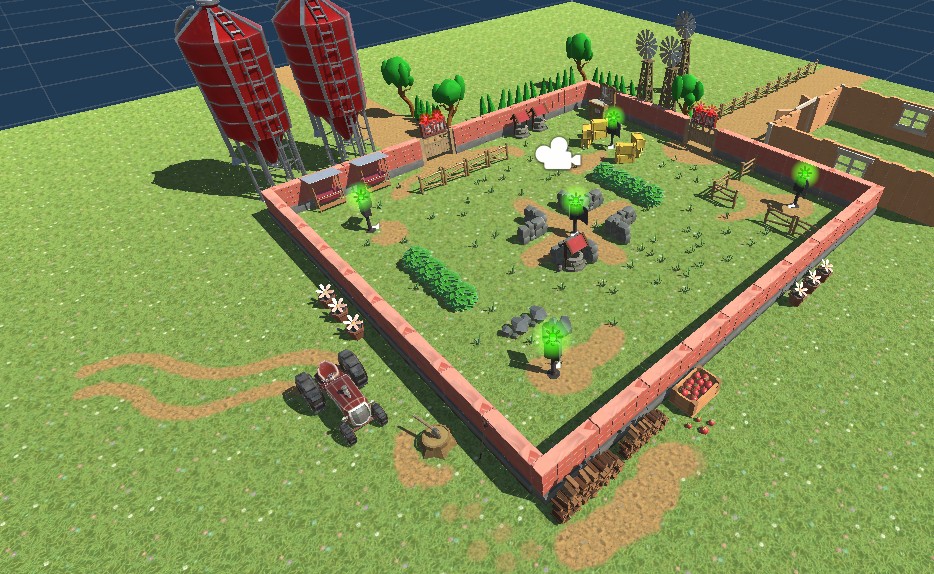
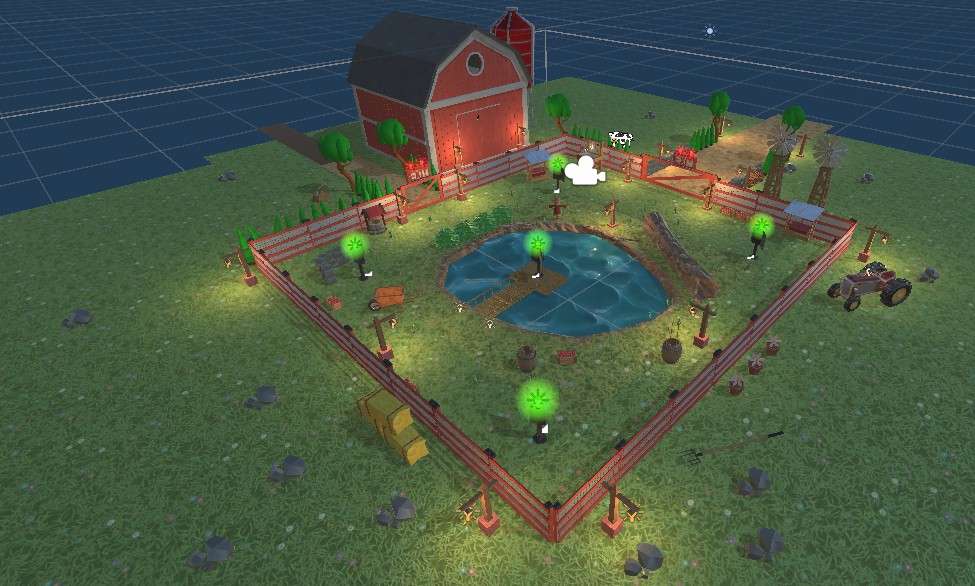
Seeing the game evolve and the design adapt and mold to what the players enjoyed has been quite a treat. The changes our levels have gone through, the way the game looks, and the way that players approach playing the levels have changed so much throughout development and it has been so interesting to see how the game has progressed. Starting from simple boxes, we managed to create something quite intriguing and playful. I got to build out both of the levels for the game, which was a very interesting process. It was made easy by the fantastic work done by our 3D modelers, but I needed to be careful about the level design to focus on gameplay balancing and making sure that everyone playing has a chance for success. I started with less obstacles in the scene, and then I found that players enjoyed using obstacles to try to create distance from them and the farmer when a chase broke out. It was so intriguing to see the instant changes in gameplay styles with such simple changes to the layout of the map. Because of this, the maps underwent iteration after iteration. They evolved from simple blockouts into fully populated levels with careful prop placement that kept player experience and balance as the top priority.
Early Blockout:
Level 1:
Level 2:
None of these changes would have been possible without the help of my team. I am incredibly thankful for all the work that my team put in to this game. Seeing something go from an idea in my head, to a real playable game has been such a treat. Everyone has done such a great job of helping my vision become reality, and I could not be more thankful. It has been such an incredible learning experience and a pleasure to be a part of. I have learned a lot throughout this process, not only about game design, but about all of the pipelines involved in making a game with a team of this size. From working with animators to sound designers, I have gotten the opportunity to discuss design plans one on one with developers from each specialty. It has been a pleasure getting to turn this vision into reality with everyone and I am very excited to see how we all continue to grow as developers. Crop Undercover went from an idea, to a game that I am proud to say we made from the ground up!
Leave a comment
Log in with itch.io to leave a comment.